High-Rise Window Cleaning: What Facility Managers Should Know
Updated Jul 2026 · 3 min read
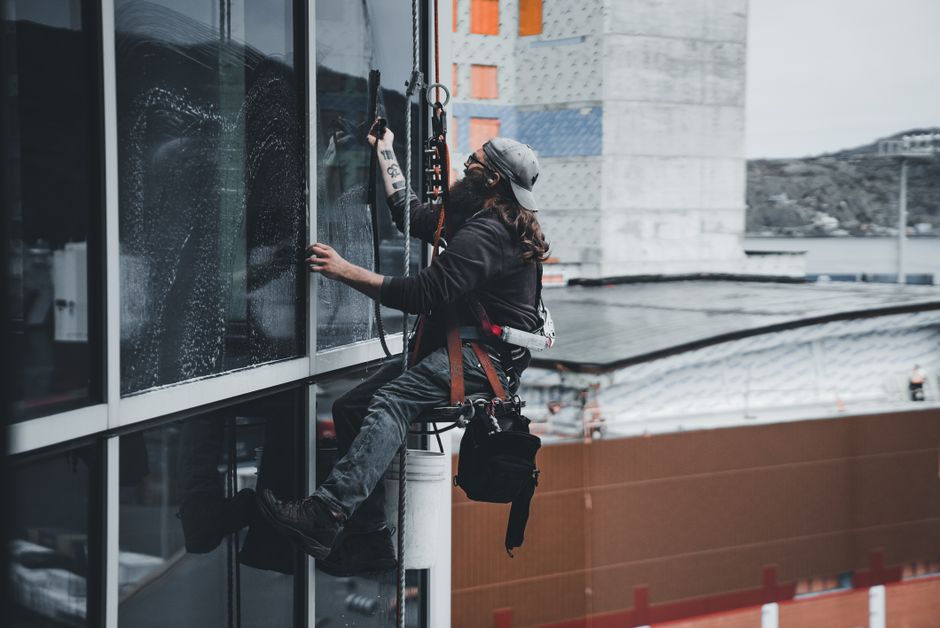
Cleaning the glass on a tall building is a different discipline from wiping down a storefront. High-rise commercial window cleaning involves elevated work, specialized equipment, and safety regulations that facility managers need to understand before hiring a contractor. This guide covers the essentials.
Why high-rise work is specialized
Working at height introduces serious risk — for the crew, for pedestrians below, and for the building. That's why high-rise window cleaning is a regulated, credentialed trade. The providers who do it well invest heavily in training, equipment, and safety systems, and they carry the insurance to back it up. When you're evaluating contractors for a tall building, capability and compliance matter far more than price.
Common access methods
Suspended platforms and swing stages
Many high-rises are cleaned from suspended platforms lowered from the roof. These require rigging expertise and building anchor points, and they're often used on very tall structures where other methods can't reach.
Rope access
Rope-access technicians descend the facade on ropes, cleaning as they go. This method is efficient for buildings with the right anchor infrastructure and is performed by specially trained and certified technicians.
Water-fed pole systems
For lower and mid-rise glass, extendable water-fed poles let crews clean from the ground using purified water, avoiding the need to work at height at all. This is often the safest and most economical choice where building height allows.
Aerial lifts
Boom and scissor lifts can reach glass on mid-rise buildings and areas with suitable ground access. They require trained operators and enough clearance to position safely.
Safety and compliance
Elevated glass work is governed by occupational safety rules, and reputable providers build their operations around them. When you hire, look for evidence of proper crew training, fall-protection systems, and equipment inspection routines. Ask how they assess each building before starting and how they protect the public below during work.
Just as important is insurance. A high-rise contractor should carry both liability coverage and workers' compensation. Without them, a building owner can be exposed if something goes wrong at height. Always verify coverage before work begins.
Coordinating the work
High-rise cleaning takes planning. Roof access, anchor points, tenant notifications, and pedestrian safety all need coordination. Some work is scheduled outside peak hours to minimize disruption to tenants and passersby. A capable provider will handle this logistics side and walk you through the plan in advance.
Because access is involved and equipment is specialized, high-rise glass is usually cleaned on a longer cycle than storefronts. The goal is to keep the facade presentable and protect the glass while managing the cost and coordination of elevated work.
Choosing a high-rise contractor
Start by confirming the provider actually does high-rise work — not every window cleaner is equipped for it. Ask about their access methods, their safety credentials, and their experience on buildings similar to yours. Request references from comparable properties, and review their reputation, including their standing on public review platforms.
Because these crews come to your building, arrange an on-site assessment so they can inspect access points, anchors, and the facade before quoting. That walkthrough is also your chance to gauge how seriously they take safety and planning.
The takeaway
High-rise window cleaning rewards diligence in hiring. Prioritize proven capability, verifiable safety practices, and full insurance over the lowest bid. Confirm the provider's access methods suit your building, get an on-site assessment, and treat the facade as a long-term asset worth protecting. Browse providers in your city that handle elevated glass and request a walkthrough.